

Stable Development
The team started with four people in 2011 and grew to 110 by 2025, developing steadily and having a long history

Design and R&D Capabilities
4 hardware R&D engineers and 2 software R&D engineers.

After-Sales Service System
A complete after-sales service system, with professional after-sales engineers providing 24-hour remote service and on-site service
Channel Letter Bending Machine
EJON supplies CNC channel letter bending machines for sign manufacturers producing illuminated letters, metal logos and custom signage. The product range includes models for stainless steel, galvanized steel, flat aluminum, aluminum profiles and Channelume, with different feeding, slotting, cutting and bending configurations. Compare the models below to match your material and production requirements.
An automatic channel letter bending machine helps sign manufacturers form metal strips and profiles into the sidewalls of illuminated and non-illuminated letters. Through CNC-controlled feeding, slotting, cutting and bending operations, it reduces manual forming work and supports repeatable production of custom signage.
EJON offers different channel letter bending machine models for processing stainless steel, galvanized steel, flat aluminum and aluminum profiles. Depending on the machine configuration, available functions include automatic feeding, V-cutting, notching, flanging, shearing and bending. Manufacturers can select a suitable model according to their material specifications, letter dimensions and production requirements.
Different sign-making businesses have different requirements for material thickness, letter height, feeding methods and forming operations. EJON provides several machine configurations to accommodate different channel letter production processes.
The T20 features a full servo control system for feeding, slotting and bending. Its double-slotting tools and alternating double-bending structure support the processing of different metal materials and small-angle sign letters.
It is suitable for manufacturers working with stainless steel, galvanized steel and aluminum strips. The listed material thickness is 0.3–2.0 mm, with a material height range of 15–200 mm.
Explore the EJON T20 Channel Letter Bending Machine.
The Y20L uses an alternating manipulator feeding structure with cast material clamps to improve material holding and reduce surface scratching during feeding. Its ball screw and linear guide system work with a high-power servo motor to support stable material movement.
The listed material thickness is 0.3–1.2 mm, and the material height range is 15–200 mm. This model is suitable for sign manufacturers processing stainless steel, galvanized steel and aluminum.
Explore the EJON Y20L Channel Letter Bending Machine.
The ET20C integrates several operations into one machine, including cutting, notching, flanging, bending and shearing. Its servo-controlled V-cutting system supports adjustable cutting angles from 30° to 120°.
The machine supports stainless steel, galvanized steel, flat aluminum and selected plastic materials. Its listed material thickness is 0.3–2.0 mm, with a material height range of 15–200 mm. Both 110V and 220V power options are listed.
This configuration is worth considering for sign manufacturers who need multiple forming operations within one production workflow.
Explore the EJON ET20C Channel Letter Bending Machine.
The ET20 is designed for processing different sign-making materials, including stainless steel, galvanized steel, flat aluminum, aluminum profiles and Channelume. Its 360-degree rotatable wheel cutter supports cutting from different directions and at different angles.
The listed material thickness is 0.3–2.0 mm, with a material height range of 15–200 mm. Customized processing for special aluminum profiles can also be discussed.
Explore the EJON ET20 Channel Letter Bending Machine.
The T16 focuses on aluminum-based sign materials, including aluminum sheets, Channelume, single-sided aluminum profiles and 3D composite materials.
Its alloy milling cutter supports slotting angles from 60° to 120°, while the software-controlled slotting depth allows operators to adjust processing settings for different materials. The listed material thickness is 0.3–1.5 mm, with a material height range of 15–160 mm.
Explore the EJON T16 Channel Letter Bending Machine.
The W40 is designed for processing thicker materials and high-side channel letters. It uses a CNC turning tool as its slotting tool, with eight usable cutting edges per blade to reduce frequent sharpening requirements.
Its progressive clamping feeding structure combines feeding clamps, ball screws, linear guides and servo drive components to support stable material feeding. The listed material thickness is 0.4–1.8 mm, with customized processing up to 3 mm. Its slotting stroke is 20–300 mm.
The machine supports stainless steel, galvanized steel and aluminum plates.
Explore the EJON W40 Channel Letter Bending Machine.
Material compatibility is an important factor when selecting a channel letter bending machine. Different materials have different thicknesses, hardness levels and forming characteristics, so the machine configuration should match the actual material used in production.
EJON's product range includes configurations for:
Stainless Steel: Used for durable metal channel letters and polished or brushed signage.
Galvanized Steel: Used for metal letter fabrication and commercial signage.
Flat Aluminum: Suitable for lightweight channel letter returns and illuminated signage.
Aluminum Profiles: Used for forming selected profile-based sign structures.
Channelume: Used in aluminum channel letter fabrication.
Plastic Materials: Supported by selected machine models, depending on material specifications.
Not every model supports every material. Buyers should confirm the applicable machine model, material thickness and profile dimensions before ordering.
A CNC channel letter bending machine is primarily used in advertising sign manufacturing and custom metal letter production.
Typical applications include:
Form metal sidewalls for LED channel letters used in storefronts, shopping centers, commercial buildings and corporate signage.
Produce formed metal letters and logos for indoor signs, outdoor signage and architectural decoration.
Process curved letter shapes, customized logos and different letter dimensions based on digital design files.
Manufacture metal edges and structural components for selected illuminated sign boxes and advertising displays.
Before purchasing an automatic channel letter bender, manufacturers should evaluate the following production requirements.
Identify whether your production mainly uses stainless steel, galvanized steel, flat aluminum, aluminum profiles or Channelume. Confirm the regular material thickness and maximum thickness required.
For example, the T20 and ET20C list a 0.3–2.0 mm material thickness range, while the Y20L lists 0.3–1.2 mm. These differences should be considered when comparing models.
The required letter height affects machine selection. Compare the material height range, minimum bending requirements and the shapes your production needs to form.
For high-side letters and thicker materials, the W40 may be worth evaluating.
Not all channel letter bending machines have the same functions. Some models focus on feeding, slotting and bending, while others integrate additional cutting, notching, flanging and shearing operations.
List the operations required in your production process before choosing a machine.
The feeding mechanism, servo motors, ball screws, linear guides and control system influence machine operation and repeatability.
If your workshop handles frequent design changes or repeat orders, consider how the machine manages digital files and processing settings.
Check the available voltage against your workshop's electrical supply. Also confirm the supported design file formats and software workflow.
Several EJON models list DXF and PLT file compatibility. The ET20C lists both 110V and 220V options, while other listed models generally specify AC220V.
Selecting a channel letter bending machine manufacturer involves more than comparing equipment specifications. Technical support, machine configuration and long-term service are also important purchasing considerations.
EJON provides channel letter bending equipment supported by hardware and software R&D teams. Its service information includes remote technical assistance and on-site service arrangements.
When discussing a machine project with EJON, buyers can provide their material samples, thickness requirements, letter dimensions and production needs for technical evaluation.
The team can then discuss the appropriate machine model and configuration according to the intended sign-making process.
Depending on the machine model, channel letter bending machines can process stainless steel, galvanized steel, flat aluminum, aluminum profiles, Channelume and selected plastic materials. Material compatibility should be confirmed against the specific model.
An automatic channel letter bender uses controlled feeding and forming mechanisms to process programmed letter shapes. Manual bending relies more heavily on operator handling and forming skills. Automatic equipment is generally more suitable for repeat orders and production involving multiple letter designs.
The listed thickness ranges vary by model. For example, T20 and ET20C specify 0.3–2.0 mm, Y20L specifies 0.3–1.2 mm, T16 specifies 0.3–1.5 mm, and W40 specifies 0.4–1.8 mm, with customization up to 3 mm. Buyers should confirm the applicable material and configuration.
Several EJON models specify DXF and PLT file formats. Buyers should confirm the compatibility of their design software and production files with the selected machine before purchasing.
Consider your main materials, thickness range, letter height, required forming operations, production volume and electrical supply. Providing sample designs or material specifications helps the manufacturer recommend a suitable configuration.
Looking for a CNC channel letter bending machine for your signage production business?
Send EJON your material type, thickness, letter dimensions and required processing functions. The team can help evaluate suitable machine models and discuss the configuration for your production requirements.
Contact EJON today to discuss your channel letter bending machine requirements and request a quotation.


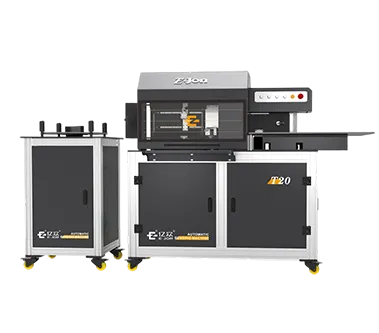
Equipped with full servo control system to ensure the accuracy and stability of feeding, slotting, and bending function.

Manipulator alternately feeding structure, the material clamps are casted which can avoid scratching the matenial, mean while improving the feeding holding.

Productive: Cutting, Notching, Flanging, Bending & Shearing. All the functionl will short the letter making time.
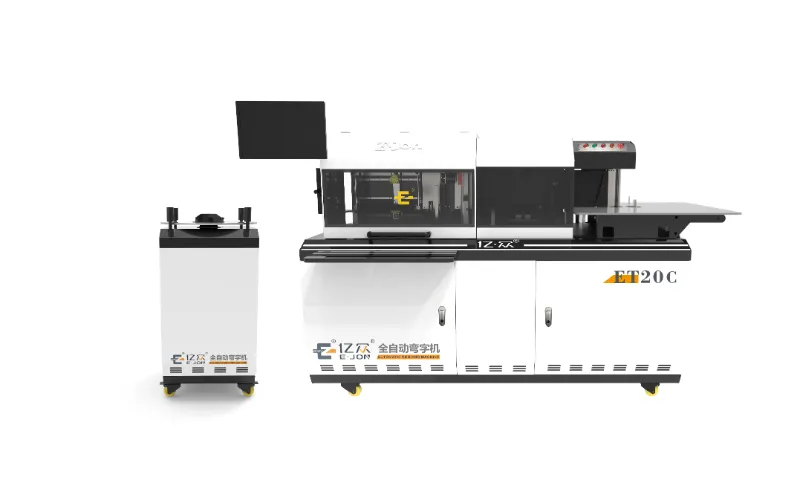
Adaptable: can process all kinds of materials used in making sign letters, such as stainless steel, galvanized steel, flat aluminum, profile aluinum and channelume.
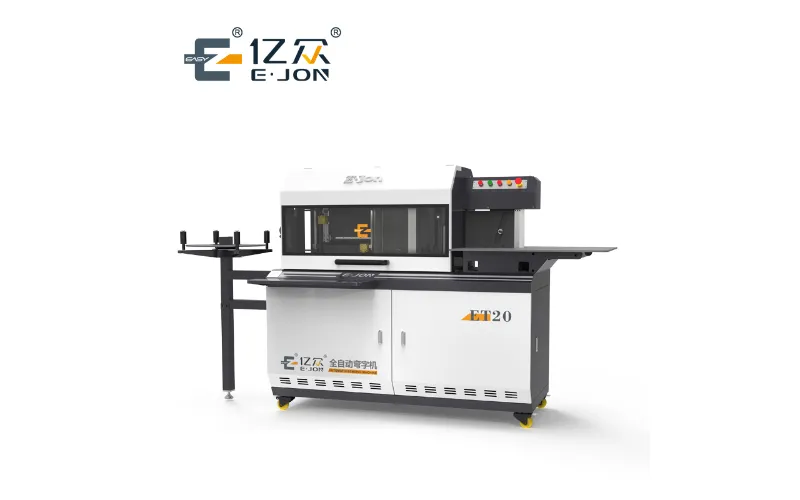
EJON supplies sanding deburring machines for metal sheet processing after laser cutting, flame cutting, CNC stamping and punching. The equipment is designed to remove burrs and solid slag, clean rust and oxide layers, round sheet edges, and support polishing or brushing. Available configurations process stainless steel, iron, aluminum and copper, with working widths and finishing functions selected according to the workpiece.
A sanding deburring machine is used to remove burrs, slag and surface imperfections from metal workpieces after cutting, punching and other machining operations. It helps manufacturers prepare metal sheets and components for subsequent processes such as welding, bending, coating and assembly.
During laser cutting, flame cutting, CNC stamping and punching, metal workpieces may develop sharp edges, solid slag, oxide layers and surface irregularities. Manual grinding can produce inconsistent finishing results, especially when factories process different materials and large batches of components.
EJON provides sanding and deburring machine configurations for metal fabrication workshops. Depending on the selected model and processing units, the equipment can perform burr removal, slag removal, edge rounding, oxide layer removal, polishing and surface brushing.
Different metal fabrication processes create different surface and edge conditions. Selecting the right deburring and sanding machine requires understanding the finishing operations needed for your workpieces.
Laser cutting, flame cutting, CNC stamping and punching can leave burrs or solid slag along the edges of metal sheets.
A metal deburring machine uses abrasive belts and deburring wheels to remove these unwanted materials. This helps prepare workpieces for handling, assembly and subsequent fabrication processes.
For manufacturers processing laser-cut or stamped metal parts in batches, mechanical deburring provides a more consistent finishing process than relying entirely on manual grinding.
Cutting operations often leave sharp edges around the internal and external contours of sheet metal parts.
An edge rounding deburring machine processes these contours to reduce sharp edges and create a more uniform edge finish. This is particularly important for components that require frequent handling, welding or coating.
The achievable edge radius depends on the machine configuration, abrasive selection and workpiece conditions.
Oxide layers and surface contamination can affect the appearance and preparation quality of metal components.
EJON's sanding-deburring machine range is designed to remove rust and oxide layers from compatible metal workpieces. This operation can help prepare surfaces for further finishing processes.
In addition to burr removal, selected machine configurations support surface sanding, polishing and brushing.
These operations are useful for manufacturers who need consistent surface finishes on stainless steel, aluminum and other metal components.
The required abrasive belt, sanding wheel and processing sequence should be selected according to the desired surface appearance.
Material compatibility is an important consideration when selecting an industrial deburring machine. Different metals have different hardness, surface conditions and processing requirements.
EJON's published product specifications list the following materials:
Stainless Steel: Suitable for deburring, oxide removal, polishing and brushing applications.
Iron: Used for removing burrs, slag and rust from compatible iron workpieces.
Aluminum: Suitable for edge finishing, oxide skin removal and surface treatment.
Copper: Can be processed for burr removal and selected surface finishing operations.
The actual processing result depends on material thickness, initial surface condition, burr characteristics and machine configuration.
The equipment is designed to process metal sheets and components produced by different manufacturing methods, including:
Laser-cut metal sheets
Flame-cut metal plates
CNC-stamped components
Punched metal panels
Metal parts requiring edge rounding and surface finishing
For certain SS-series double abrasive-belt sanding machines, the product listings also specify applications involving plasma cutting and shearing.
Before purchasing, buyers should provide sample workpieces and confirm that the selected configuration meets their processing requirements.
EJON offers different sanding, deburring and metal surface finishing configurations for industrial production.
The appropriate model should be selected according to maximum workpiece width, processing height, burr condition, required surface finish and production volume.
The YZ1000G is listed for removing solid slag and burrs, cleaning rust and oxide layers, and rounding the internal and external contours of metal sheets.
Its published application information covers laser-cut, flame-cut, CNC-stamped and punched metal workpieces. Stainless steel, iron, aluminum and copper are listed as compatible materials.
Polishing and brushing are also included among its stated processing applications.
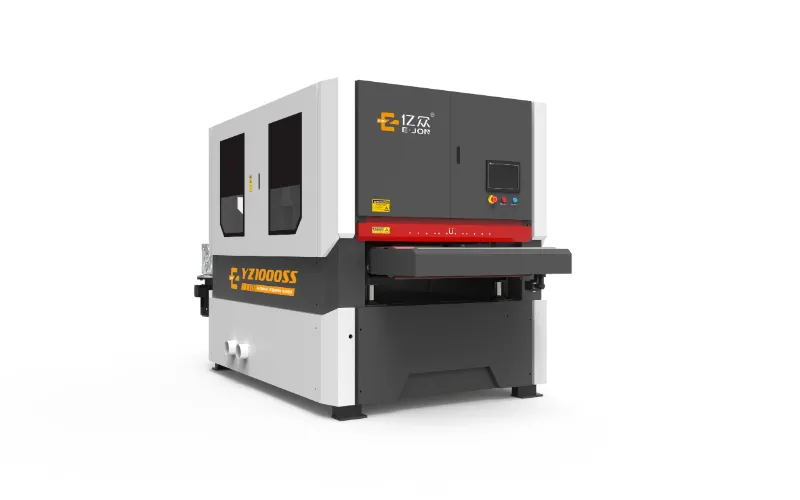
The YZ1000S is designed for metal sheet finishing, including burr removal, slag removal, rust and oxide layer removal, and edge rounding.
Its product information also describes wide abrasive belt sanding and deburring wheel processing, with magnetic and vacuum adsorption options listed in the parameter table.
Buyers should confirm the final model designation and configuration with EJON before comparing specifications.
The YZ1000SS supports deburring operations after laser cutting, CNC stamping and other machining processes.
Its processing system combines straight-line conveying, abrasive belt sanding and multiple groups of sanding wheels. The equipment is designed to remove burrs from workpiece surfaces, contour edges and hole edges while supporting uniform chamfering.
Published specifications include:
Maximum sheet width: 1000 mm
Processing range: W 1000 mm × H 80 mm, unlimited length
Maximum power: 34.5 kW
Power supply: 380V/50Hz
Control system: Delta PLC
Conveying speed: 0.5–25 m/min
The machine also includes a dust removal system. These specifications should be reviewed together with the actual workpiece dimensions and finishing requirements.
Explore the YZ1000SS Sanding-Deburring Machine.
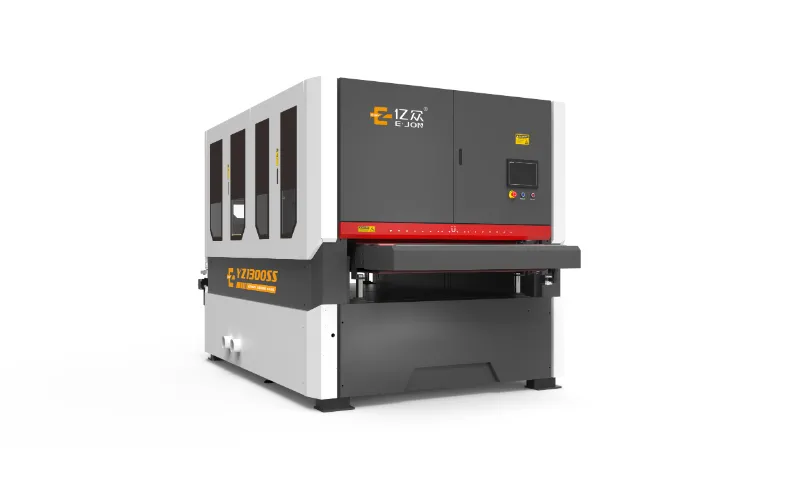
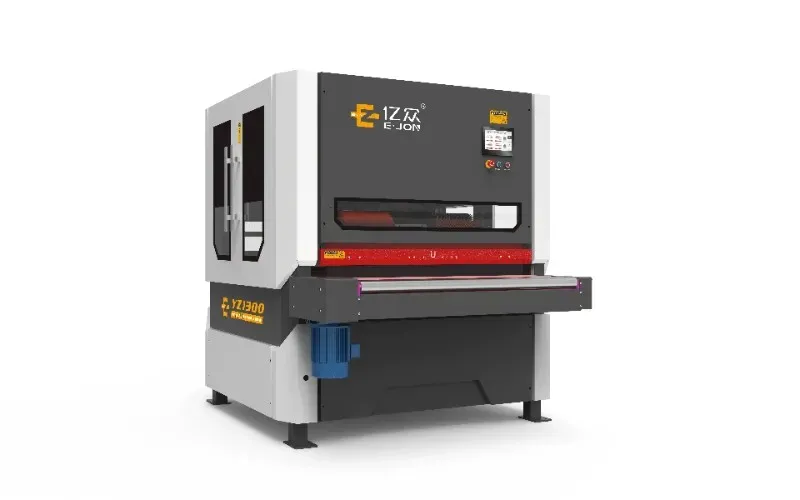
The YZ1300 is designed for wider metal sheet processing, with a published processing width of 1300 mm and a maximum workpiece height of 60 mm.
Its configuration includes a Delta PLC control system, feeding mechanism, deburring wheels, sanding belts and a dust collection system.
Published specifications include:
Processing width: 1300 mm
Maximum processing height: 60 mm
Main motor power: 47 kW
Power supply: 380V/50Hz
Feeding speed: 0.5–7.5 m/min
Control system: Delta PLC
The product page lists a wet dust collection system. This refers to dust collection configuration and should not be confused with wet-type deburring processing.
Explore the YZ1300 Sanding-Deburring Machine.
The SS400, SS630 and SS1000 are listed as double abrasive-belt sanding machines.
Their stated applications include sanding and deburring the surfaces, edges and holes of workpieces produced by laser cutting, plasma cutting, stamping and shearing.
These models provide additional options for factories that need abrasive belt-based surface and edge processing.
Buyers should compare the working width, abrasive belt configuration, motor power and processing range of each model before selecting equipment.
A sheet metal deburring machine can be integrated into different manufacturing workflows where metal parts require consistent edge and surface finishing.
Remove burrs and slag from laser-cut, flame-cut and punched components before bending, welding or assembly.
Process sheet metal enclosures, electrical panels and cabinet components to prepare edges for assembly and surface coating.
Deburr and finish compatible stamped metal components and fabricated parts before subsequent manufacturing operations.
Process stainless steel panels, equipment housings and metal components that require edge finishing and surface treatment.
Finish metal letters, sign panels and decorative metal components after cutting and before bending, welding and assembly.
Remove cutting burrs and surface imperfections from machine covers, brackets, frames and other fabricated metal components.
Choosing an industrial deburring machine requires more than comparing the equipment price. Buyers should evaluate their actual workpieces, finishing requirements and production conditions.
The working width determines the largest sheet that can pass through the equipment.
For example, the published specifications list a 1000 mm processing width for the YZ1000SS and 1300 mm for the YZ1300.
Choose a machine that accommodates your regular sheet dimensions while allowing for future production requirements.
Material thickness and workpiece height affect the required machine configuration.
Provide the manufacturer with your regular material thickness, maximum workpiece height and sheet dimensions. Do not select equipment based only on its maximum advertised capacity.
Different cutting processes create different burr conditions.
Laser-cut sheets may require edge deburring and oxide removal, while flame-cut plates may require more attention to solid slag removal.
Provide photographs or samples of the workpieces so the manufacturer can evaluate the appropriate abrasive system.
Determine whether your production requires:
Burr and slag removal
Internal and external edge rounding
Hole-edge deburring
Rust and oxide layer removal
Surface sanding
Polishing or brushing
Not every machine configuration performs all these operations in the same processing sequence.
Check the feeding mechanism and workpiece fixing method.
Depending on the model, EJON's equipment specifications list rubber belt conveying, magnetic adsorption, vacuum adsorption and press roller arrangements.
The correct combination helps maintain stable workpiece positioning during processing.
Sanding and grinding operations generate dust and abrasive residues.
Review the dust collection configuration, filtration specifications, airflow requirements and installation conditions before purchasing the machine.
Also confirm the available factory power supply and compressed air requirements.
Selecting a deburring machine manufacturer involves evaluating equipment capability, engineering support and after-sales service.
EJON provides industrial machinery supported by mechanical and electrical engineering development teams.
Its published company information includes:
Hardware R&D Team: 4 engineers covering circuit design, embedded development and mechanical structures.
Software R&D Team: 2 engineers working on intelligent equipment control systems.
Technical Support: Remote technical assistance and on-site service arrangements.
Equipment Customization: Technical discussions based on workpiece dimensions, materials and processing requirements.
For manufacturers planning to automate metal sheet finishing, EJON can discuss suitable equipment configurations according to the required processing width, material conditions and finishing results.
A sanding deburring machine removes burrs, cutting slag and surface imperfections from metal workpieces. Depending on its configuration, it can also support oxide removal, edge rounding, polishing and brushing.
A deburring machine focuses on removing burrs and sharp edges left by cutting, punching or machining. A sanding machine focuses more on abrasive surface treatment and finishing. Combined sanding-deburring machines can perform both operations through different processing units.
EJON's published product information lists stainless steel, iron, aluminum and copper. The suitable material thickness and processing conditions depend on the selected machine model.
Yes. EJON's equipment is designed for metal sheets produced by laser cutting, flame cutting, CNC stamping and punching. Certain listed sanding machine models also specify plasma-cut and sheared workpieces.
Start with the maximum width of your regular workpieces. The published YZ1000SS specifications list a 1000 mm processing width, while the YZ1300 lists 1300 mm. Also compare processing height, feed speed, power requirements and the required finishing operations.
Selected EJON configurations are designed for slag removal, burr removal and oxide layer treatment. Whether these operations can be completed in one pass depends on the machine's abrasive units, processing sequence and the condition of the incoming workpiece. Sample testing is recommended.
Looking for a sanding deburring machine for your metal fabrication production?
Contact EJON with your material type, sheet width, thickness, burr condition and required surface finish.
You can also provide workpiece photographs or samples so the technical team can evaluate the appropriate machine configuration.
Contact EJON today to discuss your sheet metal deburring requirements and request a machine quotation.

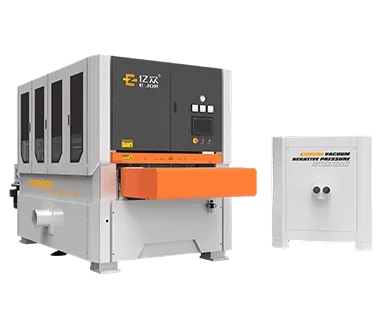
Application: remove solid slag and burrs on the surface of workpiece; remove rust and oxide layer on the surface of the workpiece; Round the internal and external contours at the edge of metal sheet.
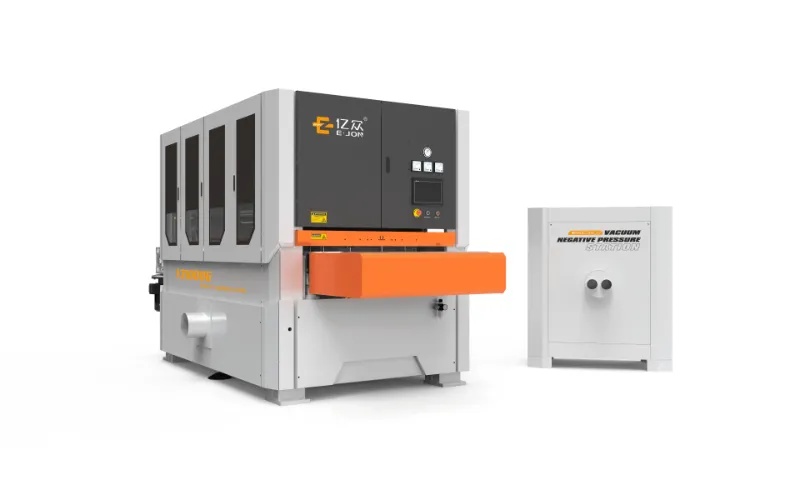
Application: remove solid slag and burrs on the surface of workpiece; remove rust and oxide layer on the surface of the workpiece; Round the internal and external contours at the edge of metal sheet.
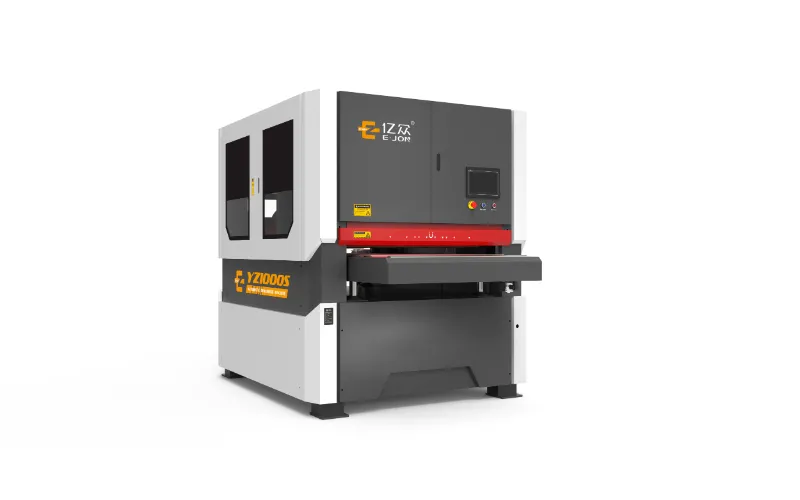
Supporting laser cutting machine, CNC stamping, various CNC processing or other machining deburring front production line.
Supporting laser cutting machine, CNC stamping, various CNC processing or other machining deburring front production line.
Metal fabrication industry
metal cutting,electrical switch manufacturing,aerospace, food machinery, textile machinery,engineering machinery, locomotive manufacturing Agriculture and forestry machinery, elevator manufacturing, special cars, household appliances manufacturing, tool processing, IT manufacturing, petroleum machinery manufacturing, food machinery, diamond tool welding, gear welding, metal material surface treatment, decoration advertising, laser external processing services and other machinery manufacturing and processing industries.

Industries: metal cutting, electrical switch manufacturing, aerospace, food machinery, textile machinery, engineering machinery, locomotive manufacturing Agriculture and forestry machinery
Across the global metal fabrication industry, manufacturers are under constant pressure to improve welding precision, production efficiency, and process stability. From metal welding workshops to highly specialized sectors such as aerospace, locomotive manufacturing, and IT manufacturing, the Automated Laser Welding Machine has become a core piece of intelligent equipment driving industrial upgrading.
By combining high-energy laser sources with CNC automation and precise motion control, an automated laser welding machine delivers consistent weld quality that traditional welding methods struggle to achieve.
An Automated Laser Welding Machine is an advanced welding system that uses focused laser beams to create deep, narrow weld seams with minimal heat input. Integrated automation allows the machine to perform continuous, repeatable welding operations with minimal human intervention.
Compared with manual TIG or MIG welding, an automated laser welding machine offers higher precision, faster welding speeds, and superior consistency, making it ideal for both mass production and high-value manufacturing environments.
In general metal welding applications, an automated laser welding machine ensures stable penetration and clean weld appearance. The controlled heat-affected zone reduces deformation, allowing manufacturers to maintain tight dimensional tolerances even on thin or complex metal components.
This makes automated laser welding especially suitable for industries requiring both strength and aesthetic quality.
The Automated Laser Welding Machine for metal fabrication industry is widely applied in a broad range of sectors:
Electrical switch manufacturing, where precision and repeatability are critical
Aerospace manufacturing, requiring high-strength, low-defect welds
Food machinery manufacturing, where smooth, hygienic weld seams are essential
Textile machinery and engineering machinery fabrication
Locomotive manufacturing and special vehicle production
Agriculture and forestry machinery welding
Elevator manufacturing and structural components
Household appliances manufacturing with thin metal parts
Tool processing and diamond tool welding
Gear welding and precision transmission components
IT manufacturing with micro and fine weld requirements
Petroleum machinery manufacturing with high-strength weld demands
Metal material surface treatment and secondary processing
Decoration advertising and metal signage fabrication
Laser external processing services for diversified client orders
This versatility makes the automated laser welding machine a universal solution across machinery manufacturing and processing industries.
An Automated Laser Welding Machine delivers a combination of technical and economic benefits:
High welding speed for increased production output
Narrow weld seams with excellent appearance
Minimal thermal distortion and reduced post-processing
Strong and consistent weld strength
Easy integration into automated production lines
These advantages allow manufacturers to meet strict quality standards while maintaining cost efficiency.
In industries such as aerospace, IT manufacturing, and electrical switch manufacturing, welding accuracy directly affects product performance. A high-precision Automated Laser Welding Machine ensures exact seam placement and repeatable weld depth through CNC control and automated positioning.
This level of control supports intelligent manufacturing strategies and reduces reliance on skilled manual welders.
A multi-material Automated Laser Welding Machine is capable of welding various metals commonly used in fabrication industries, including:
Carbon steel and alloy steel
Stainless steel
Aluminum and aluminum alloys
Copper and copper alloys
Galvanized metals
The ability to handle different materials makes the automated laser welding machine suitable for diverse production lines and contract manufacturing services.
In food machinery manufacturing, weld quality affects both safety and compliance. An automated laser welding machine produces smooth, clean weld seams with minimal spatter, reducing contamination risks and simplifying cleaning processes.
This makes laser welding technology particularly valuable for equipment used in food processing environments.
For engineering machinery, petroleum machinery, and special vehicles, weld strength and reliability are critical. A heavy-duty Automated Laser Welding Machine ensures deep penetration and strong metallurgical bonding, supporting long-term structural durability under harsh operating conditions.
Laser external processing service providers benefit significantly from an Automated Laser Welding Machine. Its flexibility allows quick changeover between different products and industries, enabling service centers to handle small batches, customized components, and high-precision orders efficiently.
This flexibility increases service capacity and expands potential customer markets.
As manufacturing moves toward automation and intelligent production, the Automated Laser Welding Machine represents a long-term investment in quality, efficiency, and competitiveness. By reducing labor dependence, improving weld consistency, and supporting a wide range of industries, it becomes a cornerstone of modern metal fabrication systems.
From aerospace and locomotive manufacturing to decoration advertising and household appliances, the Automated Laser Welding Machine continues to redefine welding standards across the metal fabrication industry, enabling manufacturers to meet higher expectations while scaling production sustainably.
For more information about Laser And CNC Metal Processing Machines, please contact us!


YAG laser transmission welding, 5 meter fiber optic tube, high temperature resistance handheld laser welding handheld.
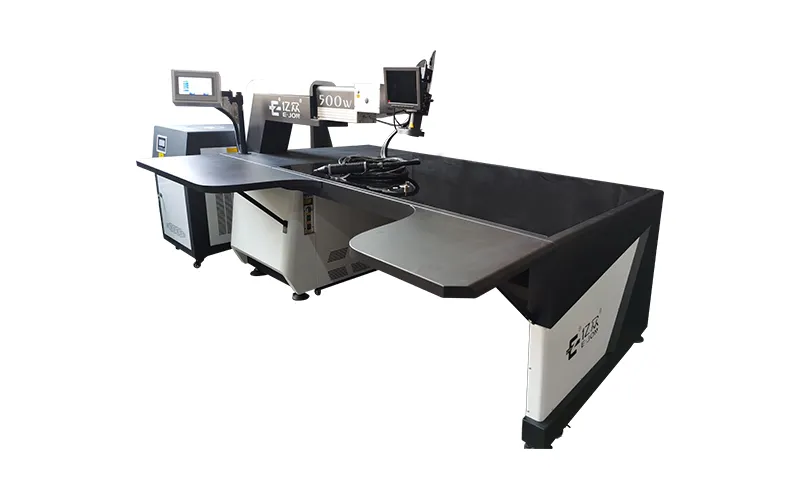
Handheld fiber optic welding machine, equipped with the latest generation of laser generators and our company'sdeveloped swinging welding head.
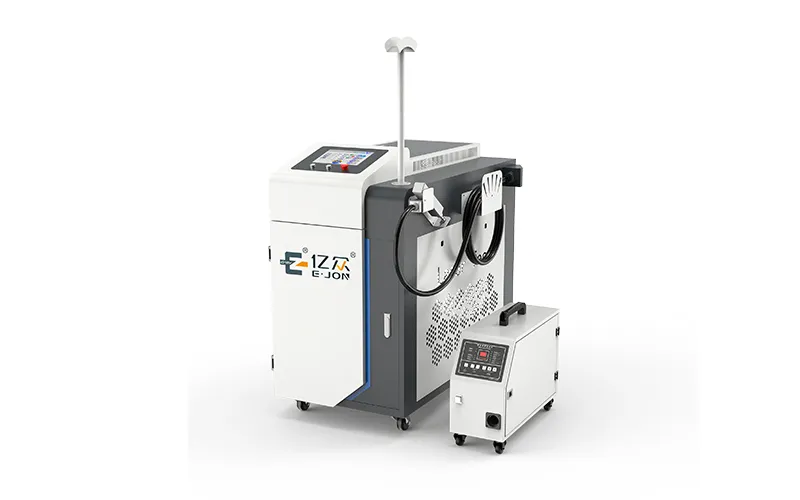
Customized for the aluminum letter adverising industry, it uses a stable laser generator with a lifespan of up to 100,000 hours.
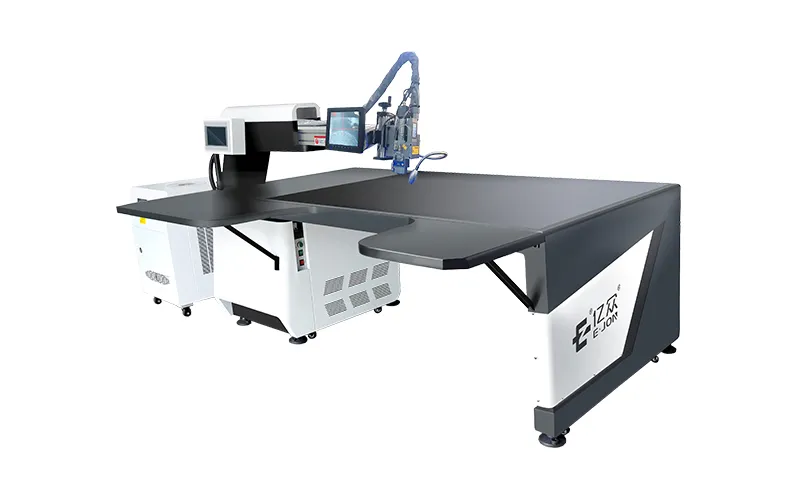
Metal fabrication industry
metal bending,electrical switch manufacturing,aerospace, food machinery, textile machinery,engineering machinery, locomotive manufacturing Agriculture and forestry machinery, elevator manufacturing, special cars, household appliances manufacturing, tool processing, IT manufacturing, petroleum machinery manufacturing, food machinery, diamond tool welding, gear welding, metal material surface treatment, decoration advertising, laser external processing services and other machinery manufacturing and processing industries.

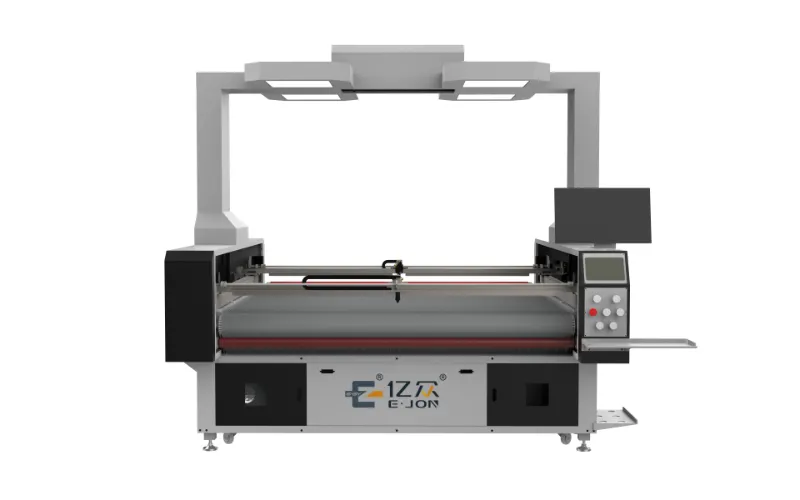
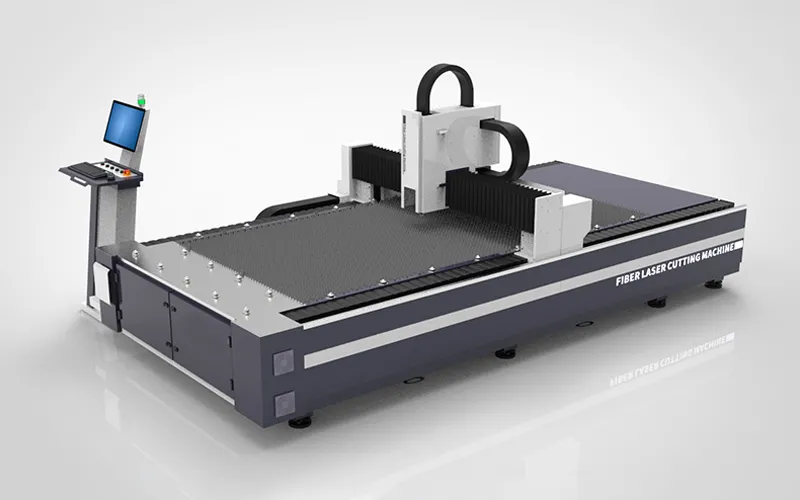
High precision cutting with servo motor and high-precision guide rail, cutting accuracy up to ±0.1mm.
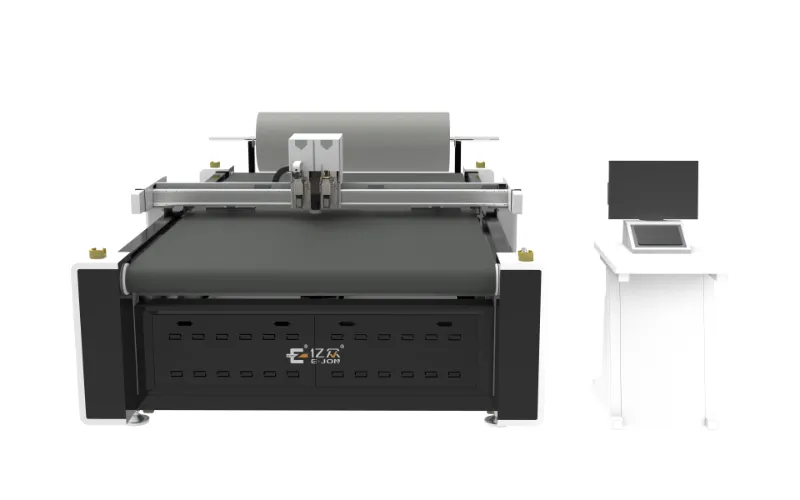
CO2 laser cutting machines are primarily designed for cutting and engraving non-metal materials, offering high precision and efficiency in various industrial applications. For non-metal substrates, they efficiently handle acrylics (also known as plexiglass or PMMA), plywood, papers, plastics like ABS, PVC, PETG, nylon, and polypropylene, as well as leather, fabrics, rubber, MDF (medium-density fiberboard), and bamboo.
Additionally, they support engraving laminates, mylar, and woods, making them ideal for signage, packaging, and educational projects
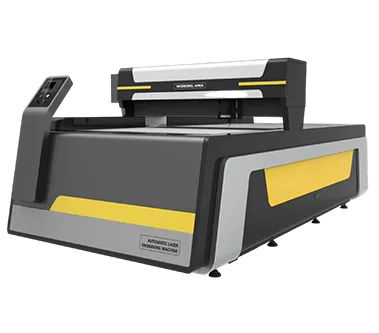
It adopts flight light path design, with unique structure, small light path deviation, high stability and convenient adjustment.
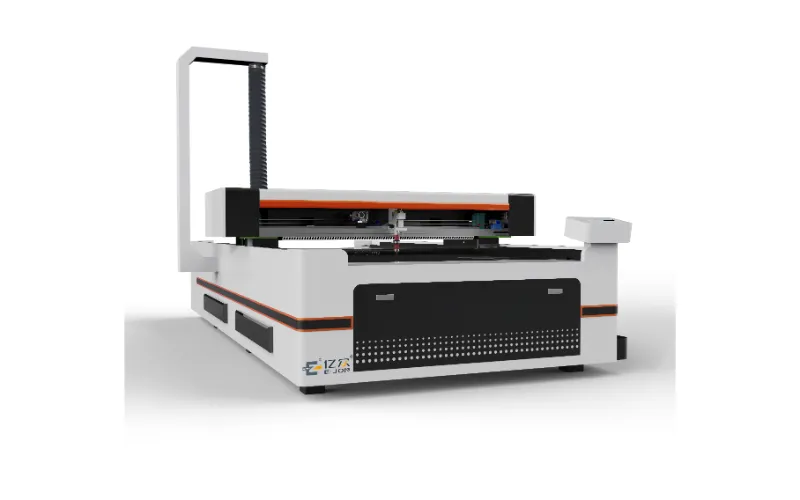
It adopts flight light path design, with unique structure, small light path deviation, high stability and convenient adjustment.
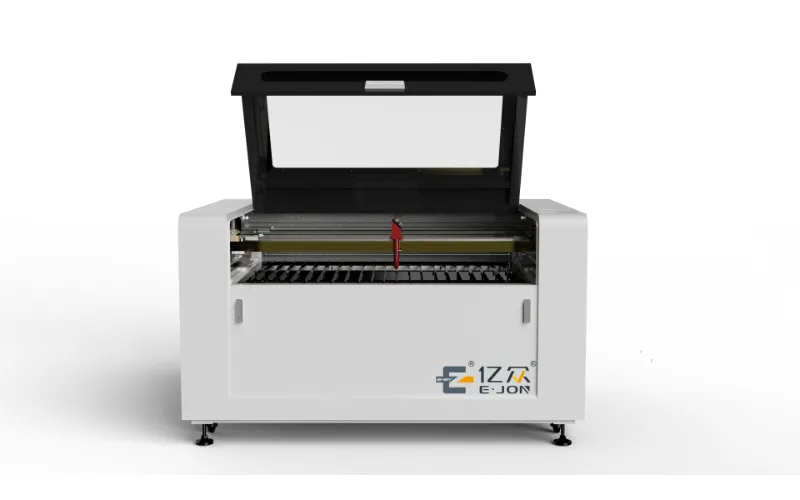
It adopts flight light path design, with unique structure, small light path deviation, high stability and convenient adjustment.
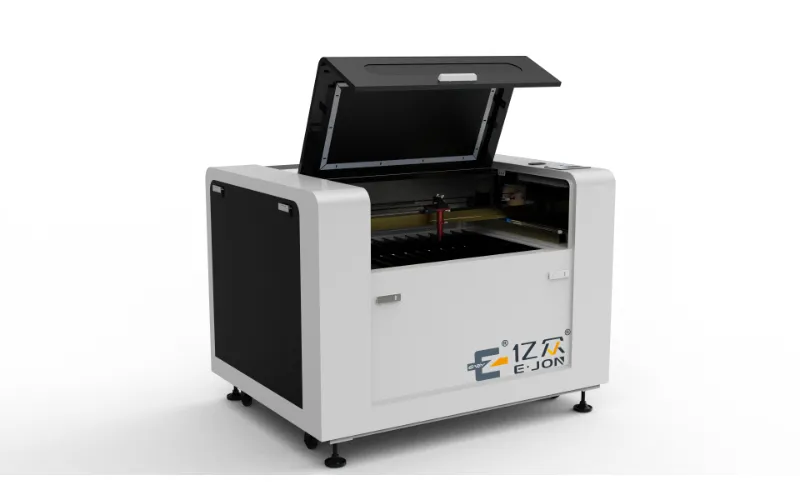
Tianjin Ejon Flying Science And Technology Co., Ltd
Tianjin Ejon Flying Science and Technology Co.,LTD. is specialized in the production of CNC automation equipment. The company has independent intellectual property rights. Since the company was established with excellent design concept and perfect service system, prompt set up for an integrated hightech advertising equipment manufacturers that with a collection of design research and development, production and sales-services.
13,000
Market Holding Capacity
42+
Export Countries and Regions
18
There are Fixed Partners
in 18 Countries and Regions
110+
Number of Employees

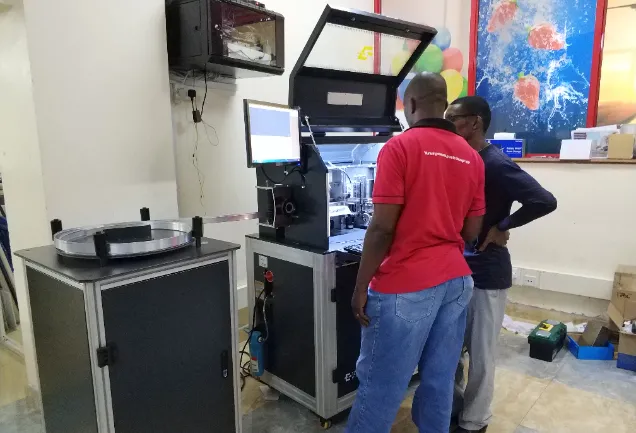
Background: Yizhong's independently developed T20 intelligent letter bending machine has made a strong debut in Kenya, helping Hopeland Signage win Huawei's bid for its nationwide signage production project in Kenya with its ultra-high precision of ±0.1mm and efficient processing of custom-shaped fonts.
View More+
Background: Designed for deburring and chamfering cut workpieces, this machine utilizes an intelligent CNC system to achieve millimeter-level precision, perfectly meeting the stringent standards of Korean manufacturing.
View More+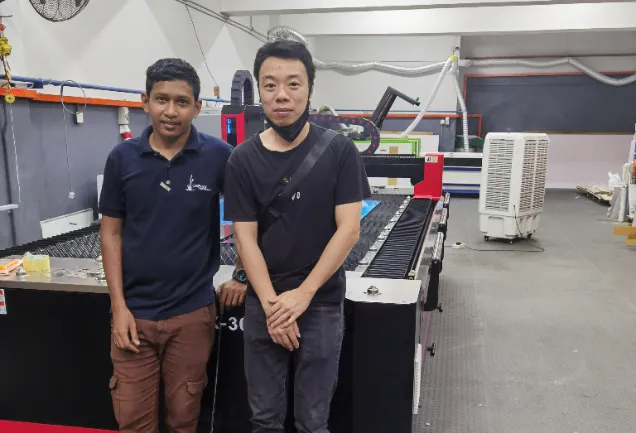
Background: Yizhong's YZ3000 laser cutting machine, equipped with third-generation fiber laser technology, achieves cutting accuracy of ±0.03mm and increases welding speed by 40%, helping Johannesburg metalworking companies achieve zero-defect production.
View More+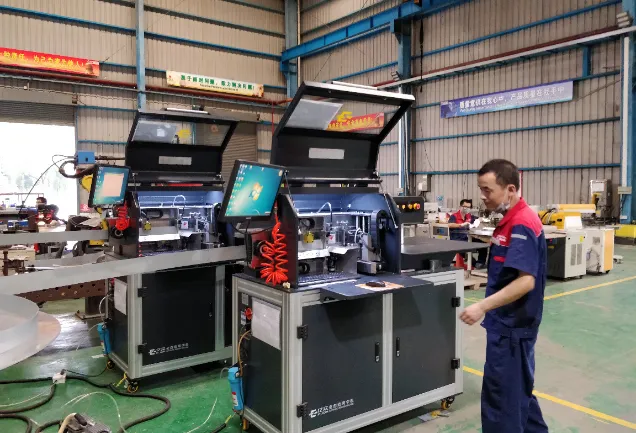
Background: Using ±0.05mm ultra-precision bending technology and an intelligent linkage system, we helped China's largest advertising sign company achieve a significant capacity increase, creating high-end signage that is a city landmark. The client's case resulted in a 38% increase in yield and a 45% reduction in lead time, redefining the benchmark for precision intelligent manufacturing of advertising signs!
View More+

【Efficiency Revolution】: 500% Efficiency Improvement in Sheet Metal Grinding
Slag Removal: Applicable to slag removal after laser cutting, flame cutting, and plasma cutting. Equipment such as the YZ1000SS and Y1300SS use abrasive belts to grind the workpiece surface, effectively removing slag and achieving a near 100% slag removal rate.

Excellent machine, very fast and accurate, Special thanks to Ada Zhou, she is a very attentive and responsible manager.Excellent machine, very fast and accurate, Special thanks to Ada Zhou, she is a very attentive and responsible manager.
Better than what I expected.
Bending machine
In time delivery, good quality machine, easy to use, easy design and good service


Lisa
Dealer
Bruno
Dealer
Jake
Dealer
Adela
Dealer

Nov. 04, 2026
How to Handle Copper Sign Panels with Sanding Deburring Machines
A practical guide to copper sign panel deburring and sanding, covering preparation, machine setup, safe operation, quality checks, troubleshooting, and finish protection.
View More+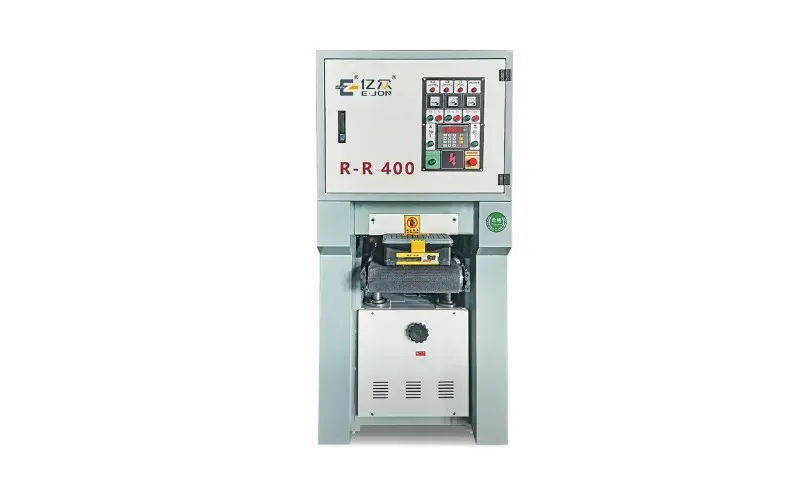
Nov. 04, 2026
Common Questions About Sanding Deburring Machines in Sign Production
Common Questions About Sanding Deburring Machines in Sign Production explains machine operation, media selection, safety, inspection, and buying criteria, with practical examples for sign shops evaluating Ejon Flying equipment.
View More+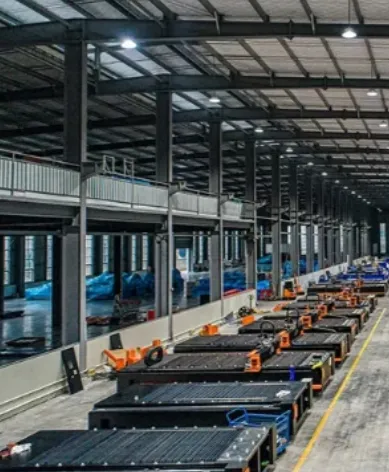
Oct. 14, 2026
How to Verify Fiber Laser Cutting Accuracy?
Fiber laser cutting accuracy should be verified by comparing finished parts with the original drawing, measuring critical dimensions, checking hole and contour geometry, and repeating the test to assess consistency.
View More+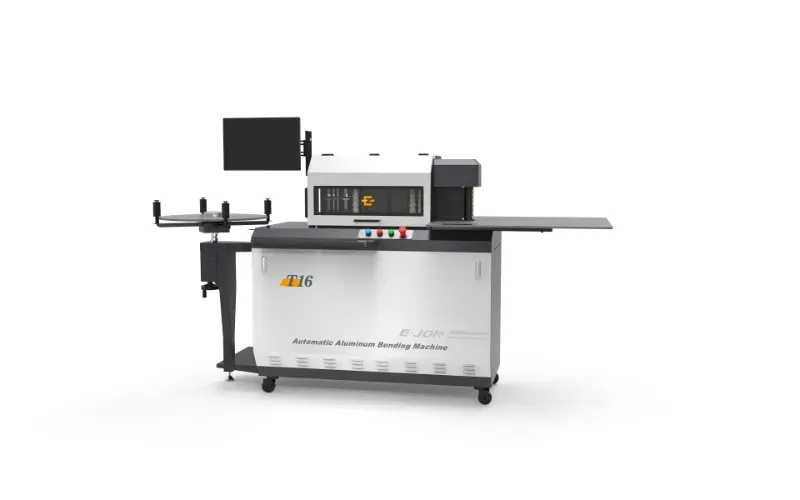
Oct. 12, 2026
What Causes Channel Letter Bending Errors?
Channel letter bending errors usually come from a combination of incorrect drawing data, unstable material feeding, unsuitable slotting settings, worn tooling, and material variation.
View More+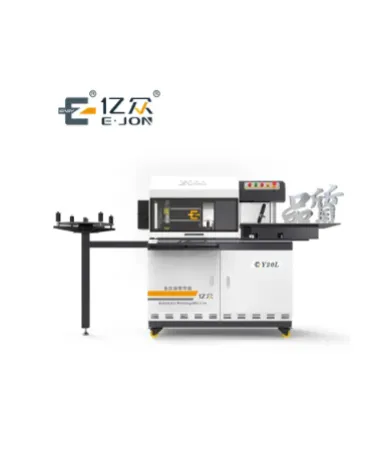
Oct. 09, 2026
How Do You Calibrate a Channel Letter Bending Machine?
A channel letter bending machine should be calibrated by checking material feeding, slotting position, bending alignment, and finished-letter dimensions in a controlled sequence. The exact procedure depends on the machine model, control system, tooling, and material profile.
View More+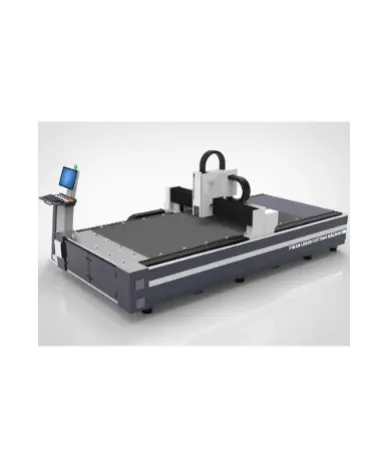
Oct. 08, 2026
What Causes Rough Edges in Fiber Laser Cutting?
Rough edges in fiber laser cutting usually result from a mismatch between laser power, cutting speed, focus position, assist-gas conditions, nozzle alignment, or material characteristics. Dross, burrs, striations, and heat discoloration can look similar from a distance but require different corrective actions.
View More+